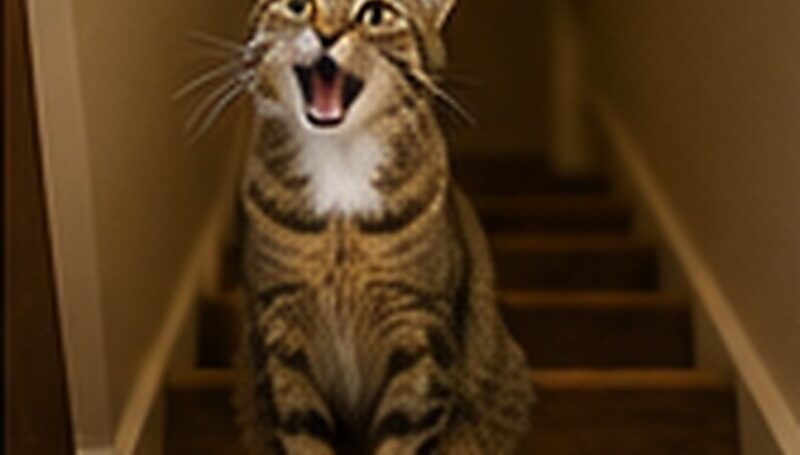
It’s 3am and your cat is wailing. Again. Night after night, the loud, persistent meowing is disrupting your sleep and worrying you. Whether it started recently or has been building over time, nocturnal vocalisation in cats is always worth taking seriously — particularly in Singapore’s ageing cat population, where medical causes are frequently involved.
Is Night Crying Normal for Cats?
No. Cats may meow at night to request food, attention, or play — but persistent, distressed-sounding vocalisation through the night is not normal, and owners are right to be concerned. The pattern — loud, frequent, apparently purposeless wailing — often signals medical distress, cognitive decline, or significant emotional dysregulation.
Do Not Ignore This:Nocturnal vocalisation in cats — especially in those aged 10 years and older — is frequently a symptom of systemic hypertension (high blood pressure), cognitive dysfunction syndrome (feline dementia), hyperthyroidism, or other significant medical conditions. A veterinary check is urgent.
Common Medical Causes in Singapore
- Hypertension: High blood pressure causes neurological changes that frequently manifest as night-time distress and vocalisation
- Hyperthyroidism: Very common in older cats; causes increased activity, anxiety, and vocalisation
- Cognitive Dysfunction Syndrome: The feline equivalent of dementia — disorientation, night waking, and confusion are hallmarks
- Pain: Chronic pain from arthritis or dental disease can make cats more restless and vocal
Behavioural Causes
When medical causes have been excluded, behavioural factors are explored — including environmental stress (new baby, construction noise, other animals) and frustration-related vocalisation. Structured environmental enrichment and behaviour modification, combined where appropriate with medication, can restore peaceful nights.