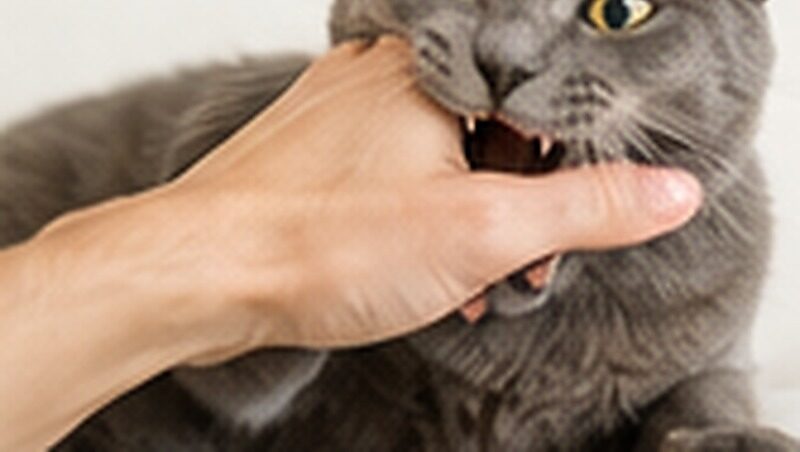
Your cat grooms obsessively, meows seemingly without reason, refuses to settle, or reacts irritably to the smallest stimulation — yet every test at the vet comes back completely normal. This scenario, more common than many owners realise, signals that the answer lies not in the body but in the behaviour. Welcome to the territory of feline behavioural medicine.
What Does “Stress” Look Like in Cats?
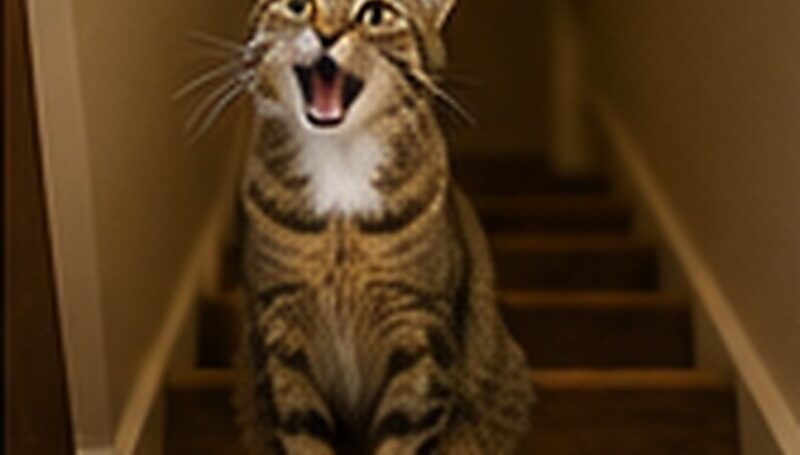
Cats are masters of concealing vulnerability, which means their stress signals are often subtle and easy to dismiss. Owners may notice increased arousal, higher irritability, repetitive self-grooming, vocalisation without apparent cause, or a cat that seems permanently on edge. These signs, in the absence of medical disease, point to a chronic emotional disturbance that needs professional assessment.
Common Causes of Behavioural Stress in Singapore Cats
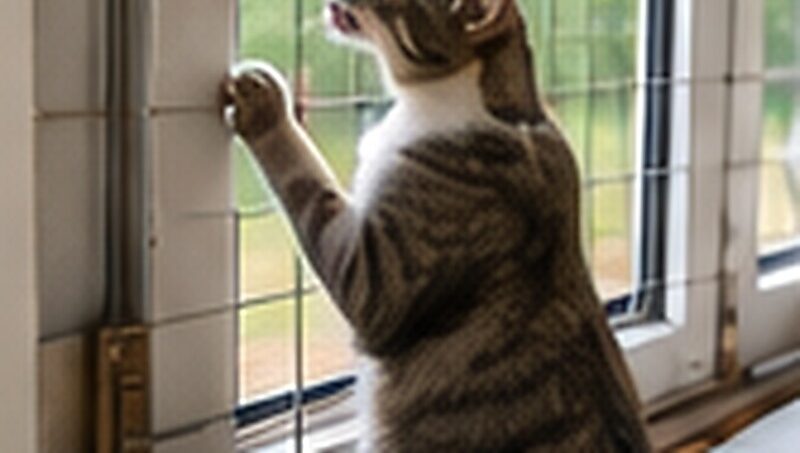
The most common pattern we see at Beecroft is frustration-driven stress — a cat that wants access to something (food, a room, outdoor space, owner attention) and is consistently denied. The repeated experience of wanting and not getting creates chronic emotional tension that permeates the cat’s entire life.
Other common causes in Singapore’s predominantly indoor cat environment include:
- Social conflict with another cat in the household
- Changes in the owner’s schedule (return to office after working from home)
- Construction noise or building works in the neighbourhood
- New arrivals — babies, housemates, domestic workers
- Insufficient vertical space and hiding opportunities in small flats
Treatment
Treatment targets the specific sources of stress identified through a detailed consultation. Environmental enrichment, resource management, owner education, and structured behaviour modification are the core components. Medication — either short-term situational anxiolytics or longer-term treatment — is often part of the plan and can deliver dramatic quality-of-life improvement for both cat and owner.
What Outcomes Can You Expect?
The outcomes depend significantly on the owner’s ability and willingness to modify the cat’s living conditions. With motivated owners, the transformation in these cats can be remarkable. Many cats that arrived at our clinic visibly tense and reactive leave as relaxed, content companions after a committed course of treatment.